This content is provided for educational purposes and does not constitute medical or nutritional advice. Consult a registered dietitian or healthcare professional for personalized dietary recommendations.
The inconsistency in carbohydrate classification reflects fundamentally different objectives. Dietary guidance aimed at consumers typically simplifies carbohydrates into two categories—simple and complex—based on how quickly they affect blood sugar. Meanwhile, biochemistry and nutrition science recognize finer distinctions that reveal metabolic mechanisms invisible in the two-type framework.
This article adopts the four-type biochemical classification system that categorizes carbohydrates by molecular structure: the number of sugar units each molecule contains. This structural approach explains not only digestion speed and glycemic impact but also why certain carbohydrates feed gut bacteria while others provide indigestible bulk. Understanding these four categories clarifies the biological fate of every carbohydrate you consume.
What are the 4 biochemical carbohydrate types?
Monosaccharides: Single sugar unit molecules (glucose, fructose, galactose)
Disaccharides: Two sugar units bonded together (sucrose, lactose, maltose)
Oligosaccharides: Short chains of 3–9 sugar units (raffinose, prebiotics)
Polysaccharides: Long chains of 10 or more sugar units (starch, cellulose, glycogen)
Each structural category—mono-, di-, oligo-, and polysaccharides—determines a distinct metabolic pathway. The number of sugar units dictates which enzymes can break the molecule down, how quickly absorption occurs, and whether the carbohydrate yields glucose for energy or passes through to nourish colonic bacteria.
Beyond academic classification, this framework has practical applications. Athletes time monosaccharide consumption around intense effort for rapid fuel, while those managing blood glucose select polysaccharides that require extended digestion. Recognizing oligosaccharides as a separate category has opened research into precision prebiotics that target specific beneficial bacterial strains.
What you’ll discover in this guide
- Monosaccharides: Building blocks of carbohydrate chemistry
- Disaccharides: When two sugar molecules bond
- Oligosaccharides: The intermediate chain structures
- Polysaccharides: Complex carbohydrate networks
- Frequently asked questions about carbohydrate classification
Monosaccharides: Building blocks of carbohydrate chemistry
Monosaccharides represent the simplest structural form carbohydrates can take. Each molecule consists of a single sugar unit that cannot be broken down into smaller carbohydrate components through hydrolysis. The Nordic Nutrition Recommendations 2023 scoping review classifies monosaccharides as containing exactly one monomer, distinguishing them from all other carbohydrate categories.
Three monosaccharides dominate human nutrition: glucose, fructose, and galactose. Glucose circulates in the bloodstream as the primary fuel source for cellular energy production, with the brain alone consuming roughly 120 grams daily during normal metabolic conditions. Fructose occurs naturally in fruits and exhibits the highest sweetness intensity, while galactose rarely appears in free form but combines with glucose to create lactose.
The molecular simplicity of monosaccharides translates directly into rapid absorption. When you consume glucose tablets or fruit juice high in fructose, these single-unit sugars pass through intestinal walls within minutes, requiring no digestive breakdown. This speed explains why athletes reach for honey or sports gels during endurance events. According to the BYU-Idaho nutrition textbook, carbohydrates should represent 45–65% of total daily caloric intake, with the source and type significantly affecting metabolic outcomes.
Disaccharides: When two sugar molecules bond
Disaccharides form when two monosaccharide units connect through a glycosidic bond—a covalent linkage created when a hydroxyl group from one sugar reacts with a specific carbon on another, releasing a water molecule. This dehydration synthesis produces stable two-unit structures with distinct properties from their component parts.

Three disaccharides appear frequently in the human diet. Sucrose (table sugar) combines glucose and fructose, extracted from sugar cane or sugar beets. Lactose pairs glucose with galactose, found exclusively in mammalian milk. Maltose links two glucose units, appearing in germinating grains and produced when enzymes break down starch.
Digestion requires specific enzymes to cleave the glycosidic bonds. Sucrase, lactase, and maltase—produced by small intestine cells—split their respective disaccharides into component monosaccharides before absorption. Lactose intolerance develops when the body reduces lactase production, leaving lactose intact where bacteria ferment it, producing gas and discomfort. This two-step process means disaccharides take slightly longer to raise blood glucose compared to monosaccharides.
Oligosaccharides: The intermediate chain structures
Oligosaccharides occupy the structural middle ground, containing between 3 and 9 monosaccharide units. These intermediate-length chains resist complete digestion by human enzymes, passing through the upper gastrointestinal tract largely intact.
The biological significance centers on prebiotic function. These carbohydrates serve as selective nutrients for beneficial intestinal bacteria, particularly Bifidobacteria and Lactobacilli species. Raffinose and stachyose—oligosaccharides in legumes—explain bean-associated flatulence, as human enzymes cannot cleave their specific linkages. Colonic bacteria ferment these molecules instead, producing gas. Human milk oligosaccharides represent another critical category, with hundreds of distinct structures that shape infant gut microbiome development and immune function.
The biological significance of oligosaccharides extends beyond prebiotic function into cutting-edge applications. Companies specializing in carbohydrates research and manufacturing develop custom oligosaccharide structures for agriculture, pharmaceutical development, and targeted nutrition interventions, leveraging the unique properties of these intermediate-length chains.
Oligosaccharides in advanced biotechnology research: The relatively simple structure of oligosaccharides compared to polysaccharides, combined with their bioactive properties, positions them at the frontier of glycobiology applications. A 2025 UC Davis study published in Applied and Environmental Microbiology demonstrates how novel oligosaccharide pools generated from plant fiber drive new insights into bacterial glycan metabolism, opening pathways for designing precision prebiotics that modulate specific microbial populations.
Polysaccharides: Complex carbohydrate networks
Polysaccharides consist of 10 or more monosaccharide units linked in linear or branched configurations, creating macromolecules that can contain thousands of sugar residues. The molecular architecture determines whether humans can extract energy from them or whether they pass through the digestive system providing bulk rather than calories.
Starch functions as the primary energy storage molecule in plants, found concentrated in seeds, tubers, and roots. It comprises two glucose polymers: unbranched helical amylose and highly branched amylopectin. Human salivary and pancreatic amylases cleave the α-1,4-glycosidic bonds, progressively breaking starch into maltose and glucose for absorption over 1–2 hours, creating gradual blood glucose elevation rather than rapid spikes.
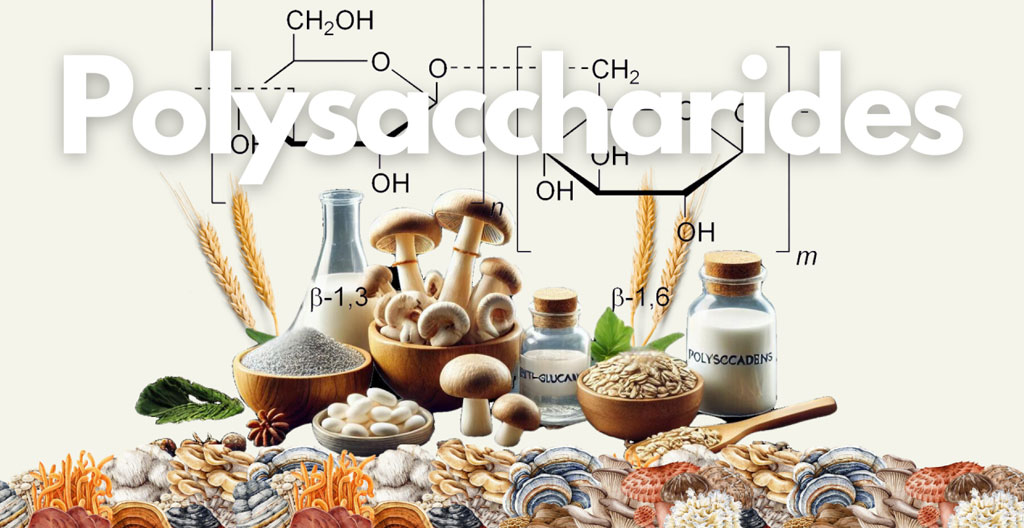
Cellulose, the structural polysaccharide in plant cell walls, links glucose units through β-1,4-glycosidic bonds. This stereochemical difference renders cellulose completely resistant to human digestive enzymes. It passes through the gastrointestinal tract as insoluble fiber, adding bulk to stool and supporting regular bowel movements. Dietary fiber recommendations suggest 38 grams per day for adult men and 25 grams per day for adult women, equivalent to 14 grams per 1,000 calories consumed.
Glycogen serves as the animal equivalent of starch, storing glucose in liver and muscle tissue. Its highly branched structure allows rapid mobilization—enzymes simultaneously cleave glucose units from multiple branch points when blood sugar drops or muscles demand energy. Humans store approximately 400–500 grams of glycogen when fully replenished, the exact amount varying with muscle mass and training status.
Consider an endurance cyclist preparing for a four-hour ride. The evening before, they consume a pasta-heavy meal rich in starch. Over six to eight hours, digestive enzymes progressively break down the starch polysaccharides into glucose, which the liver and muscles store as glycogen—reaching near-maximum capacity by morning. During the ride, as blood glucose drops, enzymes rapidly cleave glucose units from the branched glycogen structure, maintaining energy supply without requiring continuous food intake. This storage-and-release cycle demonstrates how polysaccharide complexity directly determines endurance capacity.
| Carbohydrate Type | Sugar Units | Digestion Speed | Blood Sugar Impact | Common Food Sources |
|---|---|---|---|---|
| Monosaccharides | 1 | Immediate (minutes) | Rapid spike | Honey, fruit juice, sports gels |
| Disaccharides | 2 | Fast (15–30 minutes) | Moderate-rapid rise | Table sugar, milk, malted grains |
| Oligosaccharides | 3–9 | Minimal (mostly undigested) | Negligible direct impact | Legumes, onions, asparagus, human milk |
| Polysaccharides | 10+ | Slow (1–2+ hours) or none (fiber) | Gradual sustained release or none | Whole grains, potatoes, vegetables (fiber) |
Frequently asked questions about carbohydrate classification
Why do some sources say there are only 2 types of carbohydrates?
Dietary classification simplifies carbohydrates into « simple » and « complex » based on digestive behavior and glycemic response. This two-category system prioritizes practical nutrition guidance over molecular precision. The four-type biochemical classification provides structural accuracy that matters for understanding metabolism, while the two-type dietary framework helps consumers make food choices.
Are simple and complex carbs the same as the 4 biochemical types?
Simple carbohydrates correspond to monosaccharides and disaccharides combined—any carbohydrate with 1 or 2 sugar units. Complex carbohydrates encompass oligosaccharides and polysaccharides together—chains of 3 or more units. Biochemistry uses the four-type system to describe molecular structure, while nutrition science uses simple versus complex to predict metabolic effects.
Is fiber a carbohydrate if we can’t digest it?
Dietary fiber consists entirely of carbohydrates—primarily polysaccharides like cellulose, hemicellulose, and pectin. The inability to digest these molecules stems from the specific glycosidic bond configurations, not from different chemical composition. Fiber remains classified as carbohydrate based on molecular structure, even though it provides negligible glucose. The lack of digestibility defines its physiological role rather than disqualifying it from the carbohydrate category.
Which classification system should I use?
The context determines the appropriate framework. For understanding biochemistry or studying nutrition science academically, the four-type molecular classification provides necessary precision. For making everyday dietary choices or managing glycemic response, the simple versus complex dichotomy offers sufficient guidance. Neither system contradicts the other—they address different questions.
Do oligosaccharides really matter for everyday nutrition?
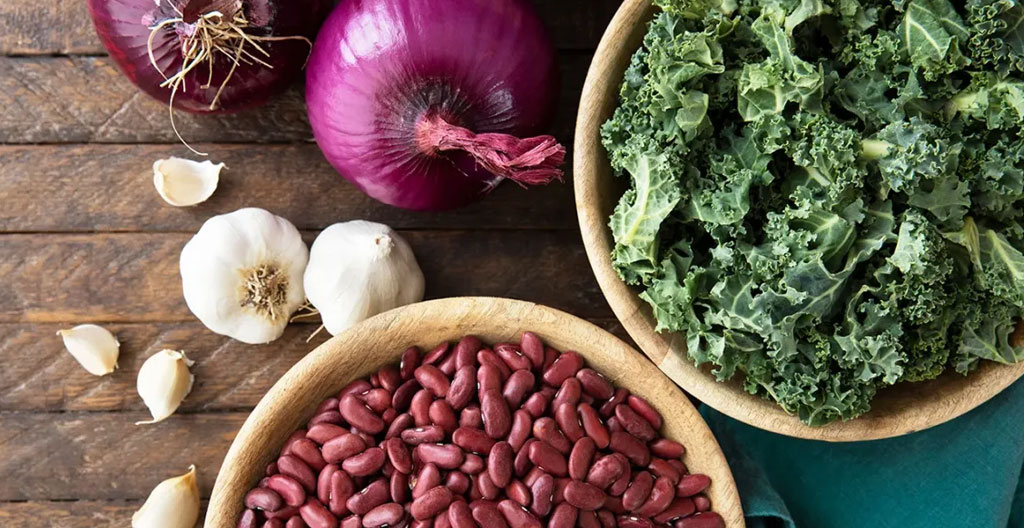
Oligosaccharides influence digestive health and immune function through their prebiotic effects, even though they contribute minimal calories. Foods rich in oligosaccharides—legumes, onions, garlic, asparagus—support beneficial gut bacteria that produce short-chain fatty acids, synthesize vitamins, and modulate inflammation. The recognition of oligosaccharides as a distinct category reflects growing research into how specific carbohydrate structures shape the microbiome.
What this classification reveals about your metabolism
The four-type carbohydrate framework transforms abstract chemistry into actionable metabolic insight. Recognizing that glucose enters the bloodstream within minutes while starch requires hours of enzymatic breakdown explains why timing carbohydrate intake around activity produces different outcomes. The molecular architecture dictates the physiological response.
Understanding oligosaccharides as structurally distinct clarifies why certain foods produce digestive effects unrelated to caloric content. Specialized applications emerging in biotechnology and precision nutrition demonstrate that carbohydrate science extends beyond energy metabolism, encompassing immune modulation, microbial ecology, and therapeutic development.
Rather than memorizing categories, consider how molecular complexity translates into biological function. The carbohydrate you consume carries information encoded in its glycosidic bonds—instructions determining whether it fuels immediate work, sustains prolonged activity, nourishes gut bacteria, or provides mechanical bulk. Classification systems decode that molecular language into applicable frameworks.